Getting crafty at home
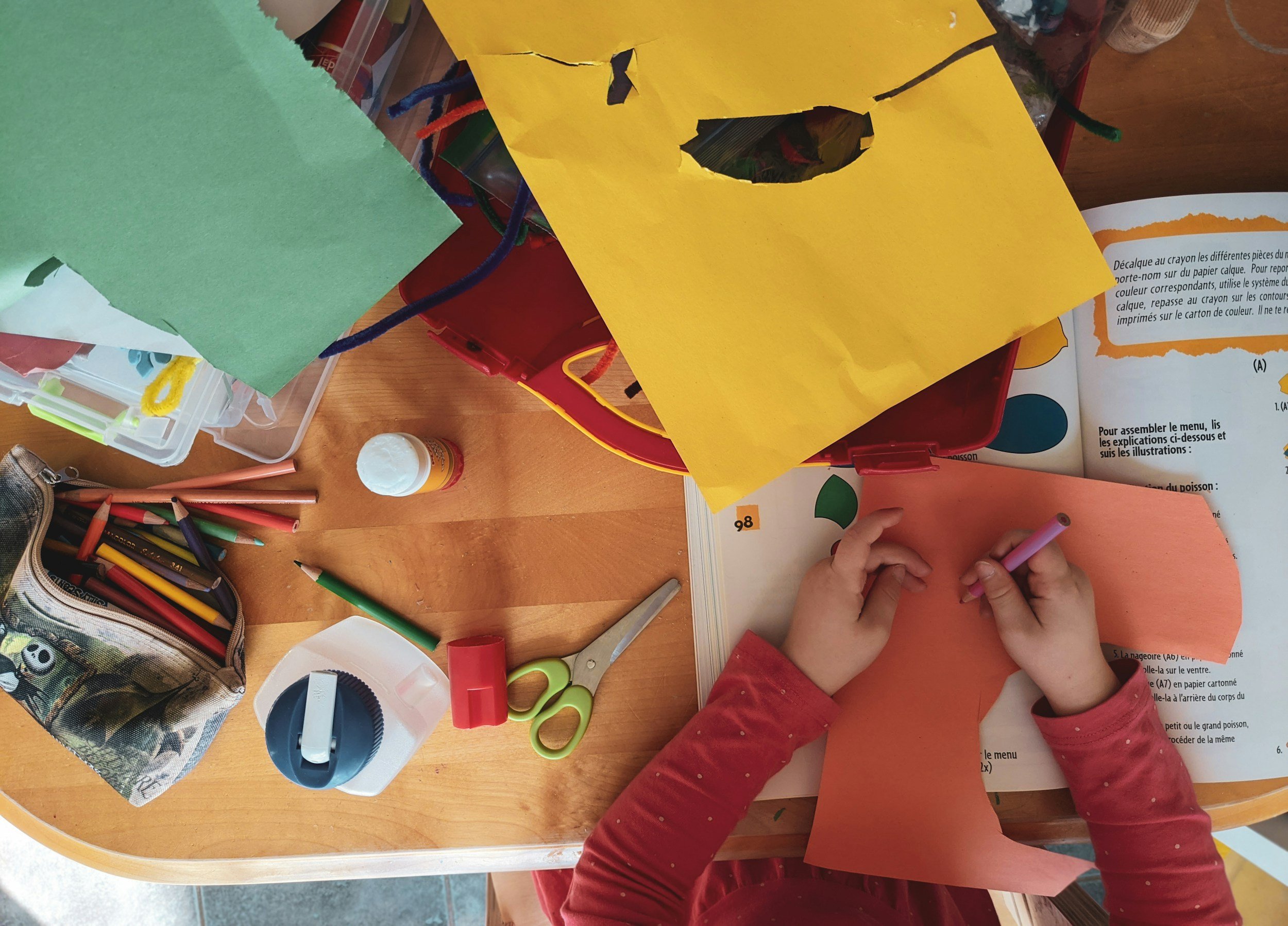
Getting Crafty at Home: Learning Through Fun
Getting crafty at home is a wonderful way to spend quality time together while supporting young children’s learning and development. Craft activities are fun, affordable, and easy to set up using simple materials like paper, crayons, paint, glue, stickers, and recycled boxes.
For young children, craft time is much more than making something pretty — it builds important skills that support early learning. Activities such as colouring, cutting, painting, and sticking help strengthen fine motor skills and hand-eye coordination. These skills are essential for later tasks like writing, drawing, using tools, and developing independence with everyday routines.
Craft also encourages creativity and self-expression. Children enjoy making choices about colours, shapes, and materials, and they often express feelings and ideas through their artwork. This helps build confidence and allows children to feel proud of what they have created.
Craft experiences also support language development. When adults talk with children during craft time—asking questions, describing what they see, and encouraging children to explain their work—children build vocabulary and communication skills. Simple conversations like “What are you making?” or “Tell me about your picture” can support early storytelling and thinking.
Another key benefit is problem-solving. Children learn through trial and error as they explore how to build, stick, fold, or create something new. Crafting also supports patience, focus, and persistence as children practise finishing a task and working through challenges.
Best of all, craft time strengthens connections. Sitting together, creating, and sharing a moment of calm can support emotional well-being and make children feel safe, valued, and supported.
Even small craft activities at home can lead to big learning—and beautiful memories too.