Exercising your imagination

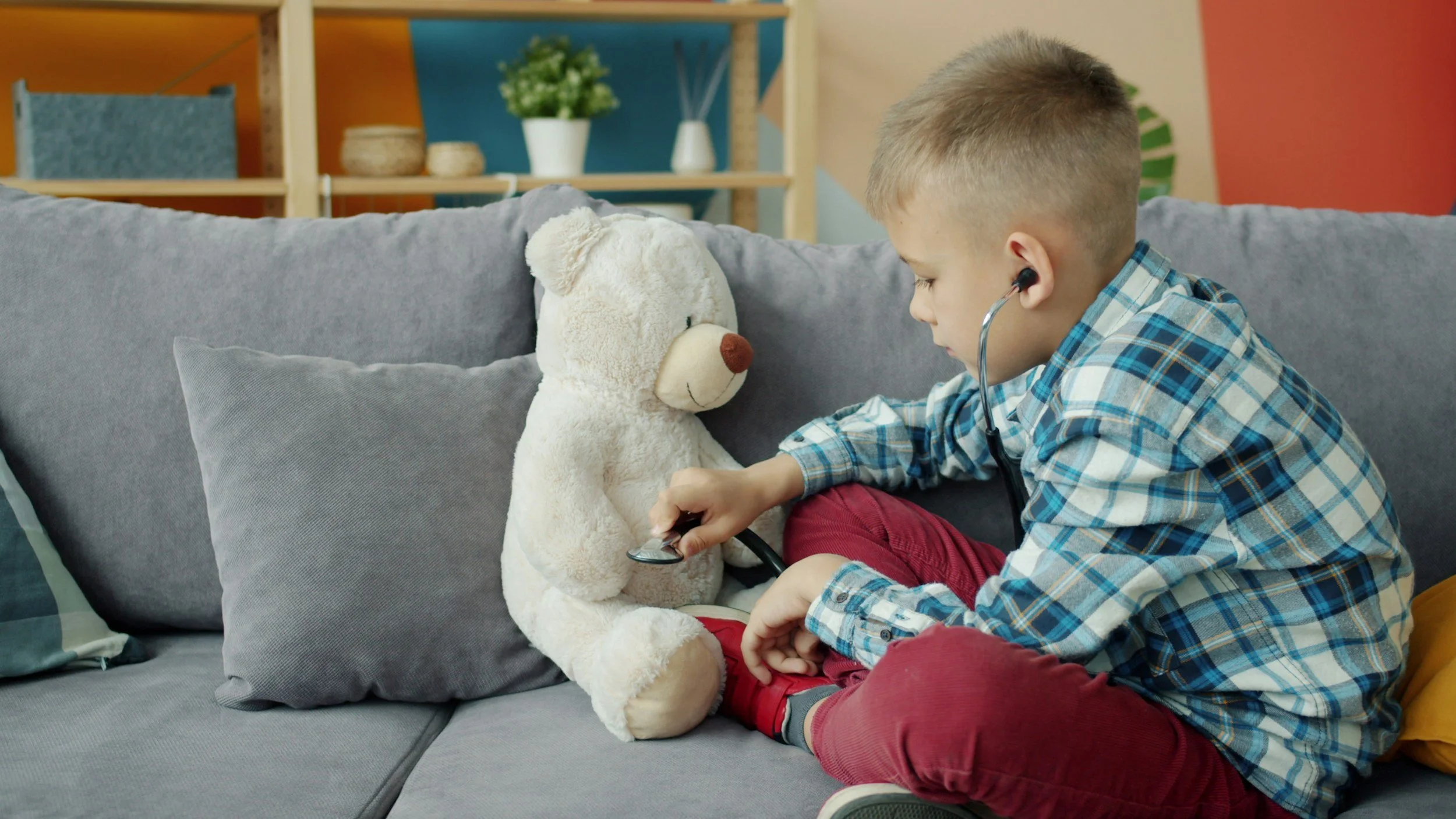
Exercising Your Imagination: Why It Matters for Young Children
Imagination is one of the most powerful tools a child has. It turns cardboard boxes into castles, cushions into mountains, and everyday moments into exciting adventures. When young children use their imagination, they are not “just playing” — they are learning, growing, and building important skills that support their development for life.
In a world that can feel busy and structured, giving children space to exercise their imagination helps them feel free, curious, and confident. Best of all, it doesn’t require expensive toys or special equipment — imagination lives in the child.
How Imagination Supports Learning and Development
Imaginative play helps young children learn in ways that feel natural, fun, and meaningful. Here are some of the key benefits:
1. Builds Language and Communication Skills
When children pretend and create stories, they practise using words, explaining ideas, and expressing emotions. They build vocabulary through role-play and storytelling, such as pretending to be a teacher, doctor, shopkeeper, or parent. This strengthens communication skills and supports early literacy development.
2. Encourages Problem-Solving and Critical Thinking
Imagination often includes challenges to solve, like building a “house” out of blocks or planning a pretend picnic. Children learn to think creatively, test ideas, and find solutions. This supports early reasoning skills and helps children feel capable and resourceful.
3. Develops Emotional Understanding
Imaginative play gives children a safe way to explore feelings. They may act out situations that help them make sense of their world, such as starting school, making friends, or handling conflict. Pretend play supports empathy, emotional regulation, and confidence.
4. Strengthens Social Skills and Cooperation
When children play imaginatively with others, they practise turn-taking, negotiating roles, sharing ideas, and working together. These experiences build social confidence and help children develop positive relationships.
5. Boosts Creativity and Independence
Imagination encourages children to think outside the box and create something unique. It promotes independence as children make choices and lead their own play. This supports a strong sense of identity and self-belief.
Simple Ways to Encourage Imagination at Home
You don’t need a toy cupboard full of gadgets — sometimes less is more. Try:
Dress-ups with hats, scarves, bags, and old clothes
Blankets and cushions to build cubby houses
Drawing and storytelling prompts
Small world play with animals, dolls, or cars
Nature treasures like sticks, stones, leaves, and flowers
Pretend shops, cafés, or “doctors” using household items
A Little Imagination Goes a Long Way
When children exercise their imagination, they are building skills that support their learning, confidence, and wellbeing. They learn to communicate, problem-solve, regulate emotions, and connect with others — all through play.
So the next time your child turns the living room into a jungle or the couch into a pirate ship, remember: that’s not mess… that’s learning in action.